A few years ago, I overheard a teacher say to a student: “Home—–work. What part of that don’t you understand?” The answer might be all of it!

Few families get through homework each night without the homework battles beginning, but why?
- At the end of the day, parents are tired and kids are tired
- Hockey, girl guides, swimming, skating, dance class, tutoring, family events … need I say more?
- Difficult instructions, lost handouts, missing textbooks, confused due dates
- And kids don’t believe that their parents might know a little about Grade 3 math or Grade 8 Geography: “Mom (or Dad), you don’t get it! That’s not the way we are supposed to do it!!”
Wow! The potential for a perfect storm brews in your home every night. Here are a few ideas for how to take the battle out of homework.
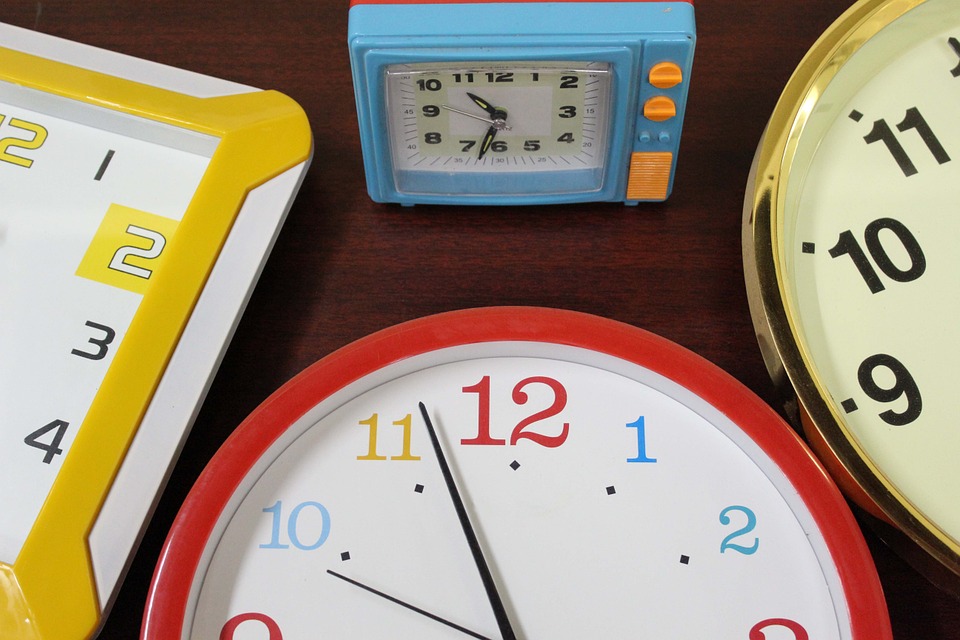
Timing is everything…
- Try to establish a regular homework time as often as you can – snack >> homework >> dinner >> reading >> bed. The more homework your child can accomplish before dinner, the better his or her mood, attention and focus will be.
- If your child is an early riser and there is time in the morning before leaving for school, shift some of the work to this time, especially subjects that are more difficult.
- Help your child use their agenda as a planning tool, not just a homework list. Work backwards from the due date. If the test is on Friday, begin studying on Tuesday or Wednesday. If the book report is due on Monday, finish the book a week before and begin writing a section each night, leaving proofreading and assembling the final report for the weekend.
Location is everything …
- Few children, especially younger ones, do their best work secluded in their bedrooms. There are simply too many distractions – lego, the cat, a hole puncher. Anything can be a distraction if you are trying to avoid your work.
- Create an “office” near the kitchen so that as you make dinner you can supervise from a distance and keep re-directing when necessary.
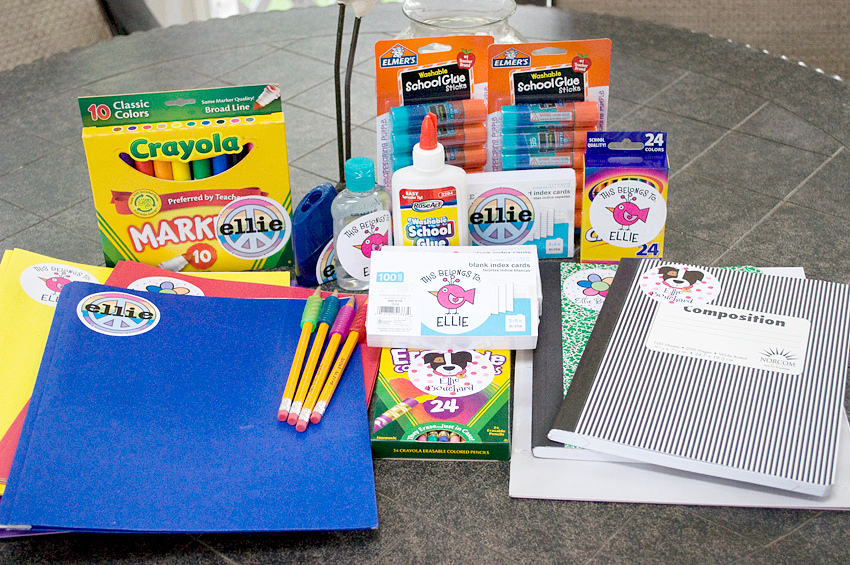
- Stock this “office” with everything your child will need to be successful: lined paper, pencils and a sharpener, erasers, pens, pencil crayons, markers, post-it notes, glue, tape, and a hole puncher. Don’t let something minor like the correct colour of pencil crayon stand between your child and their success with their homework.
- Keep all electronics on the main floor and out of your children’s bedrooms – computers, laptops, iPads, televisions, phones – so you can oversee appropriate usage. Many students, even young ones, tell me about how often their electronics get in the way of them finishing their homework fast and carefully. As your children get older, this can be a point of negotiation based on successful and repeated homework completion!
Attitude is everything …
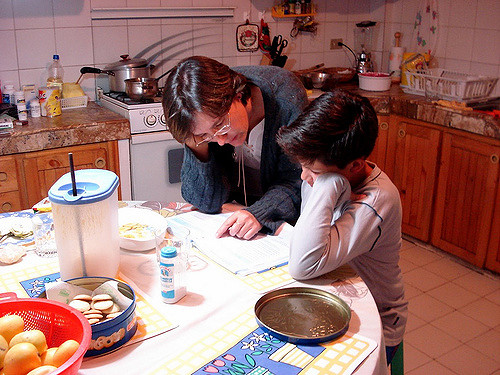
- If your child feels that they don’t understand their homework, empower them in other ways. Have them write a note in their agenda or an email to the teacher, asking for help the next day rather than you taking on this job.
- Encourage your child to visit their school library or library’s website for links to age appropriate databases for researching topics.
- Bookmark a few websites on your home computer that will be helpful for your child to use if they get stuck – for example, https://ca.ixl.com/ (membership required) for Math and Language Arts, https://www.khanacademy.org/ for Math, http://kiddle.co/ for researching, https://www.raz-kids.com/ (membership required) for reading and http://www.bbc.co.uk/schools/primarylanguages/french/ for French
- Before jumping in and solving an issue, tell your child that you are confident they can solve the situation – and if they need a little adult support they can ask you after they have tried first.
- When necessary, if you feel you need to communicate with your child’s teacher, take a team approach, asking the teacher to work with you to solve the homework battle together.
And if the homework battles continue to rage, it might be time to enlist the help of a counsellor, learning coach, or tutor so that the relationship you have with your child is not spoiled by spelling tests, division questions or history projects.